.png)
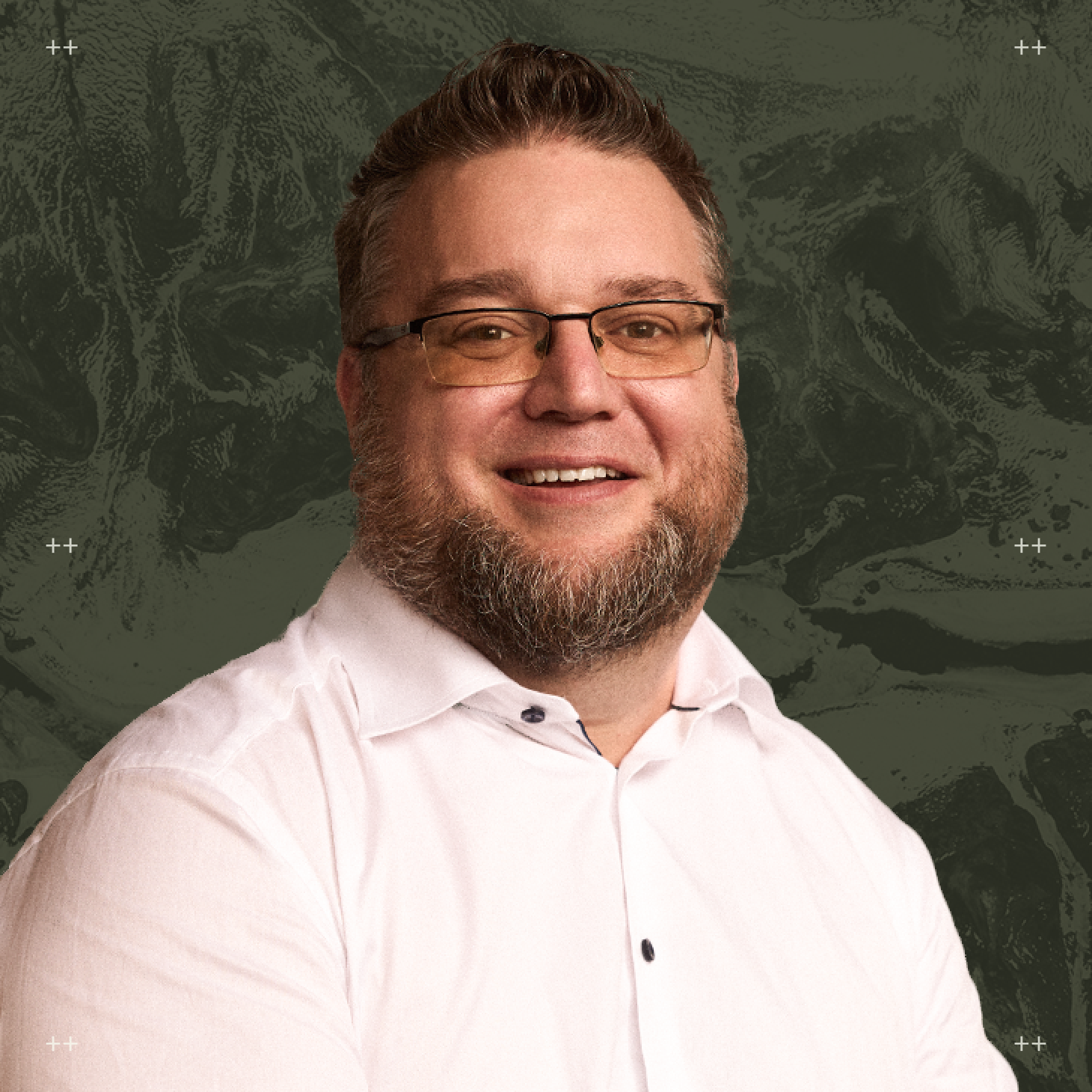
Matthieu Lapointe, M.Sc., P.Geo, is an economic geologist with nearly two decades of experience in mineral exploration across both junior and major mining companies. Much of his career has been dedicated to precious metals exploration, particularly within orogenic-style gold systems.
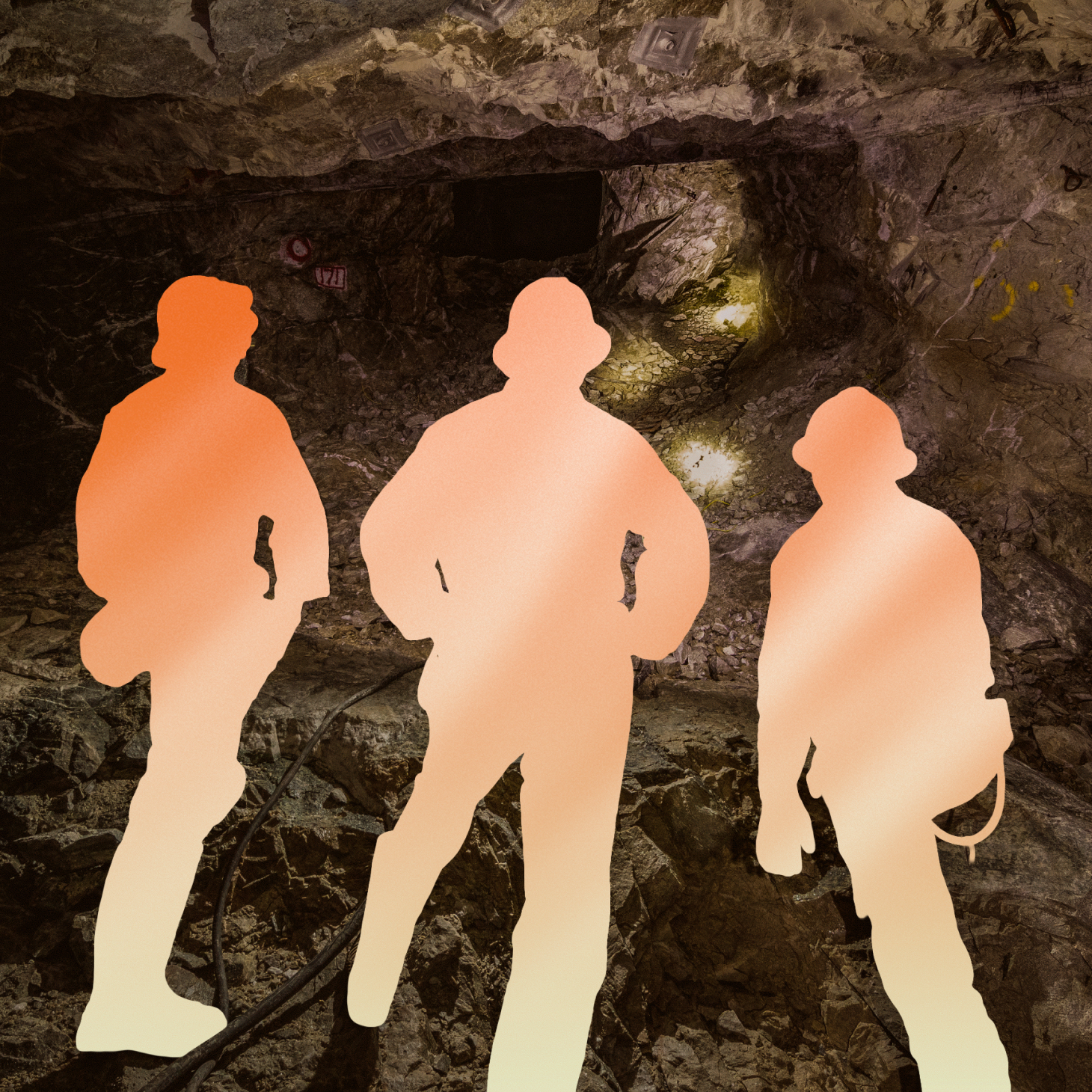
Fieldwork has been central to his professional trajectory. Matthieu has worked across Canada and internationally, including at remote Arctic mine sites and in tropical rainforest environments in Suriname, Guyana, and Brazil. His responsibilities have ranged from drill program design and supervision to geological mapping, prospecting, and the management of geochemical and geophysical surveys, carried out with both small, camp-based crews and large mine-site operations.
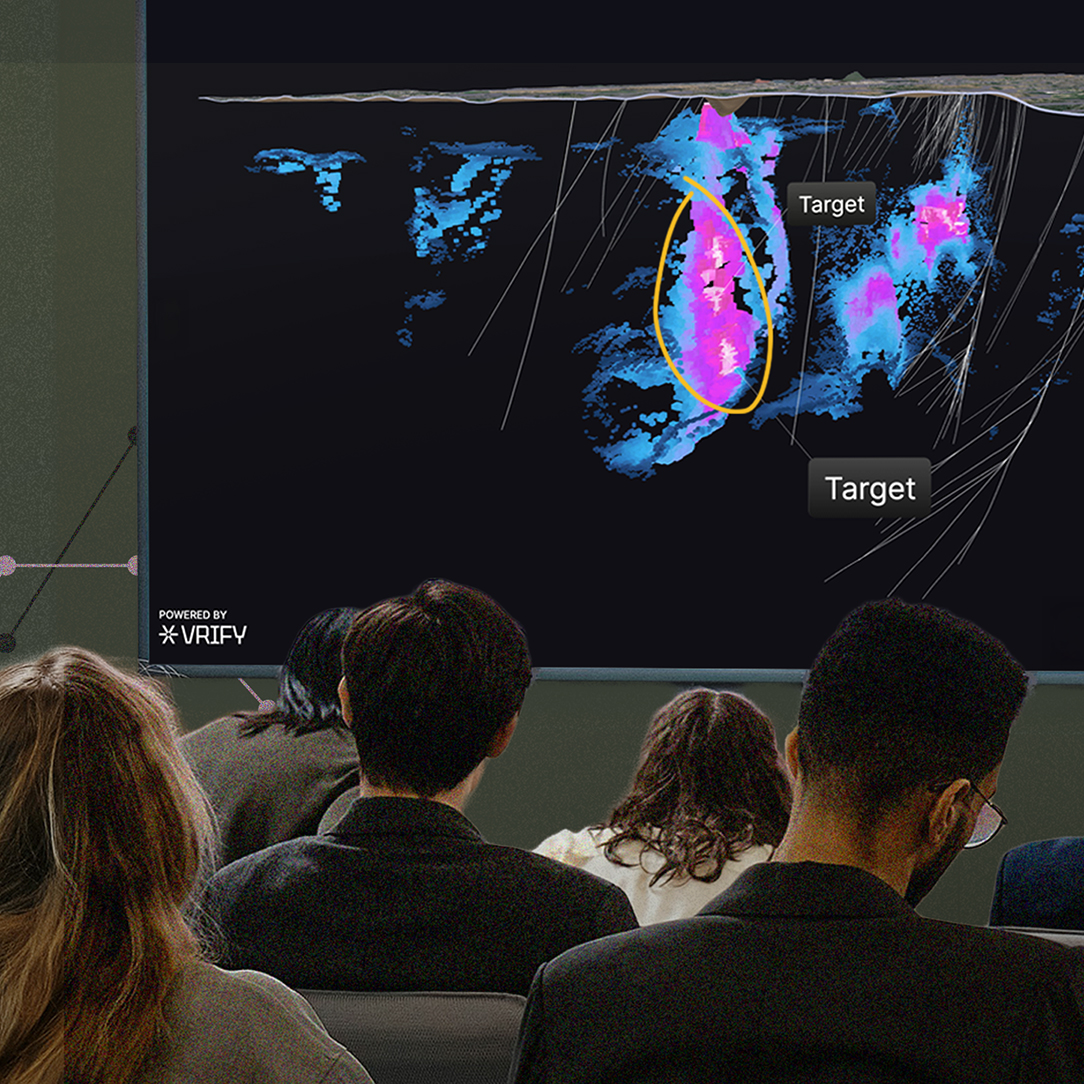
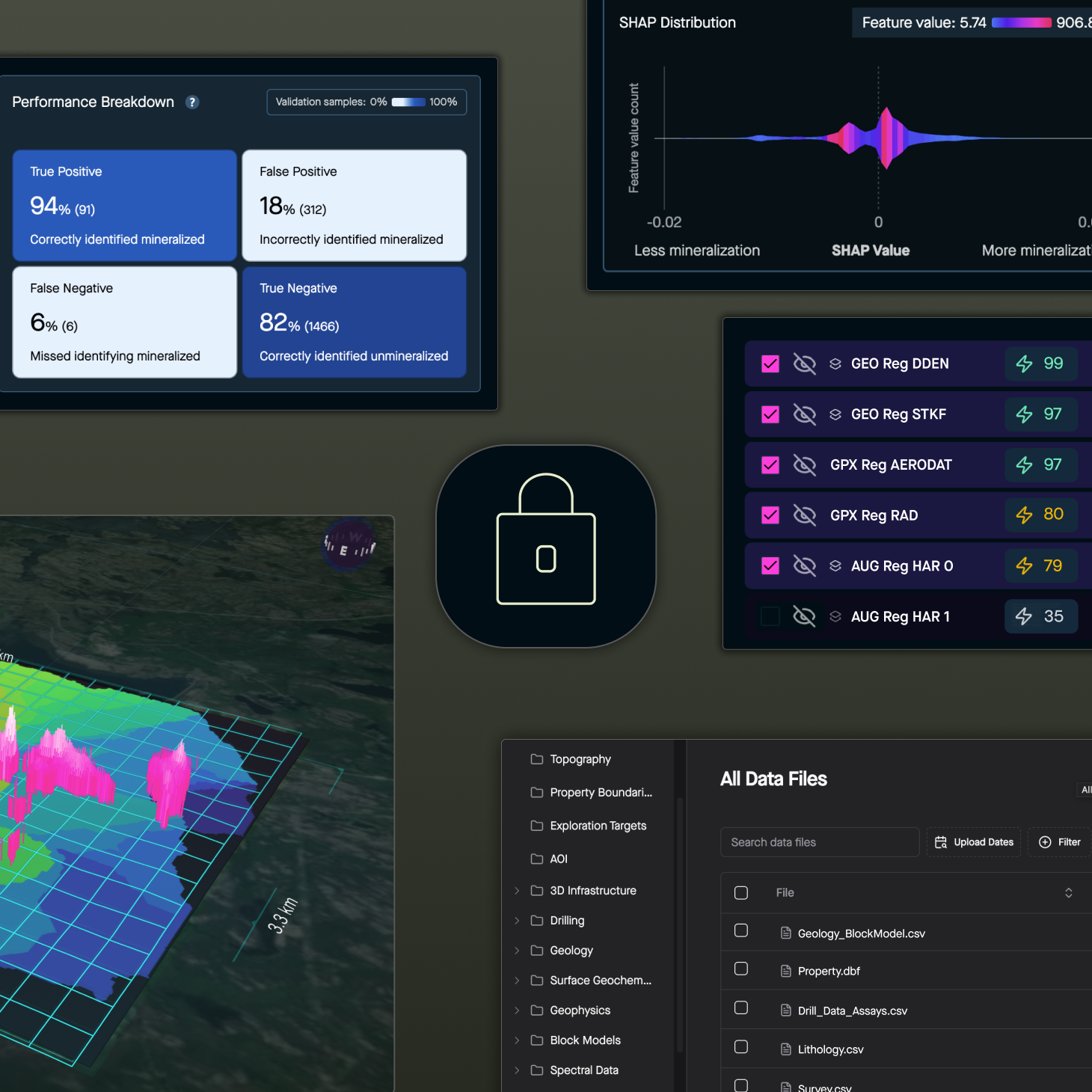
At VRIFY, Matthieu brings this experience to his role as Senior Geologist, supporting clients who use AI prospectivity mapping software DORA — part of the VRIFY Predict product suite — to generate and prioritize targets. He provides geoscientific insight that helps teams critically evaluate exploration data and place analytical results within an appropriate geological frame.
In this conversation, Matthieu discusses how exploration teams work with data in practice, and why applying AI effectively depends on making clear decisions about which information truly adds value.
1. What motivated you to move from a gold producer to a tech company building AI software for the mining and exploration industry?
Matthieu Lapointe: Global discovery rates are declining, even as the volume of available exploration data continues to grow. This raises questions about how effectively the industry is using that information. Historically, the tools and training needed to fully leverage both proprietary and public-domain datasets have not always been widely available across exploration teams.
Advances in computing power and modern data analytics now provide new opportunities that enable geologists, geophysicists, and geochemists to evaluate exploration data more rapidly, and with greater consistency and objectivity. Software like DORA is one example of how these new capabilities are being translated into practical exploration tools.
2. Since joining VRIFY, what has surprised you most about how exploration teams actually work with data?
ML: What surprised me most was how far specialization has progressed within modern exploration teams. Geological, geochemical, and geophysical datasets are often evaluated by different experts, even though ore deposits are defined by overlapping signatures that need to be considered together. Integrating those perspectives presents an opportunity for more accurate interpretation and “fingerprinting” of mineral systems.
3. From working closely with clients, what do you think is most commonly misunderstood about data or uncertainty?
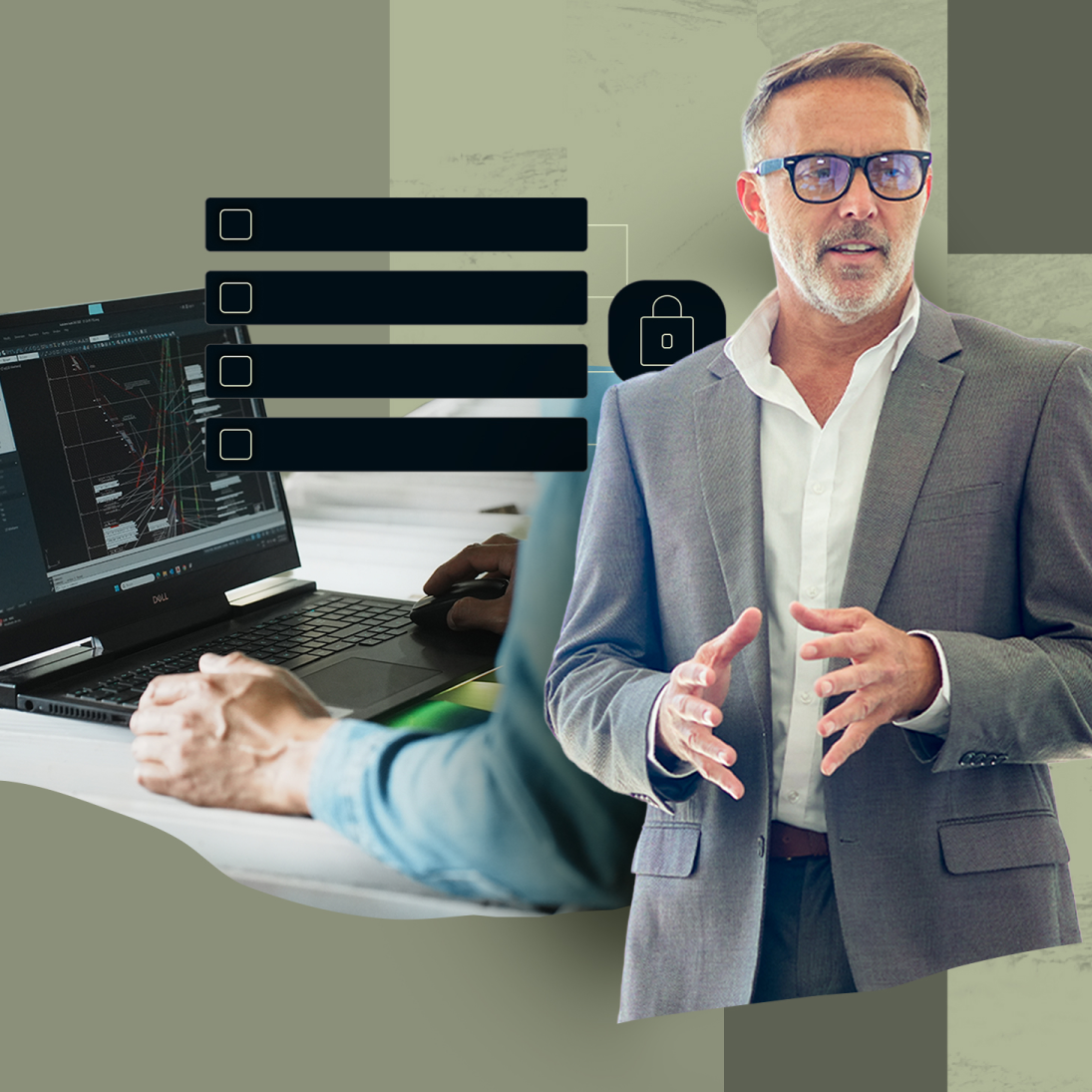
ML: Not all data adds value. Geological, geophysical, and geochemical datasets often vary in spatial coverage, methodology, quality control, and overall structure. Subject matter experts are therefore needed to critically review and compile these datasets, making informed decisions about which information is meaningful and which should be treated with caution, or excluded altogether. DORA makes these decisions explicit by providing a structured environment in which assumptions can be tested and the impact of different data choices can be clearly evaluated.
4. Where do you most often see friction between the data that exists and the decisions that need to be made?
ML: Geoscientists can become anchored to past experience and to oversimplified genetic ore deposit models. While geoscientific expertise is essential for understanding the controls on mineralization and how these translate into geochemical and geophysical signals, effective data-driven exploration using tools like DORA requires setting aside preconceived ideas and actively reducing bias in how we define what is “significant” within the exploration search space.
5. How does someone with primarily field-based geology experience adapt to apply AI/machine learning exploration workflows?
ML: With limited prior experience in AI/machine-learning workflows, I needed to adjust how I traditionally approached prospectivity analysis. Transitioning from a workflow based on paper maps and sections, light-table interpretation, and 3D/GIS software to a fully integrated, purpose-built platform like DORA was relatively quick.
DORA was designed by geoscientists and streamlines prospectivity mapping and target prioritization through clear, step-by-step workflows. At each stage, assumptions and parameters are transparent, helping to remove the “black box” often associated with AI. The supporting documentation also makes it easier to build familiarity with key AI/machine-learning and data science concepts. As a result, I now have a new set of tools that provide actionable exploration insights and support better-informed decision-making.
<hr />
From Matthieu’s vantage point, AI in exploration is best approached through judgement rather than automation. More data does not necessarily lead to better outcomes, and meaningful results depend on how information is selected and combined across disciplines. In this context, AI is most useful when it helps clarify assumptions and reduce bias, rather than replacing interpretation. This principle underlies how DORA and the broader VRIFY Predict product suite are designed and applied in practice.
<hr />
To learn how VRIFY applies AI-assisted analysis to support data-driven exploration decisions, explore DORA or connect with our Geoscience Team.
.png)
.png)
.png)

.jpg)
.png)