.png)
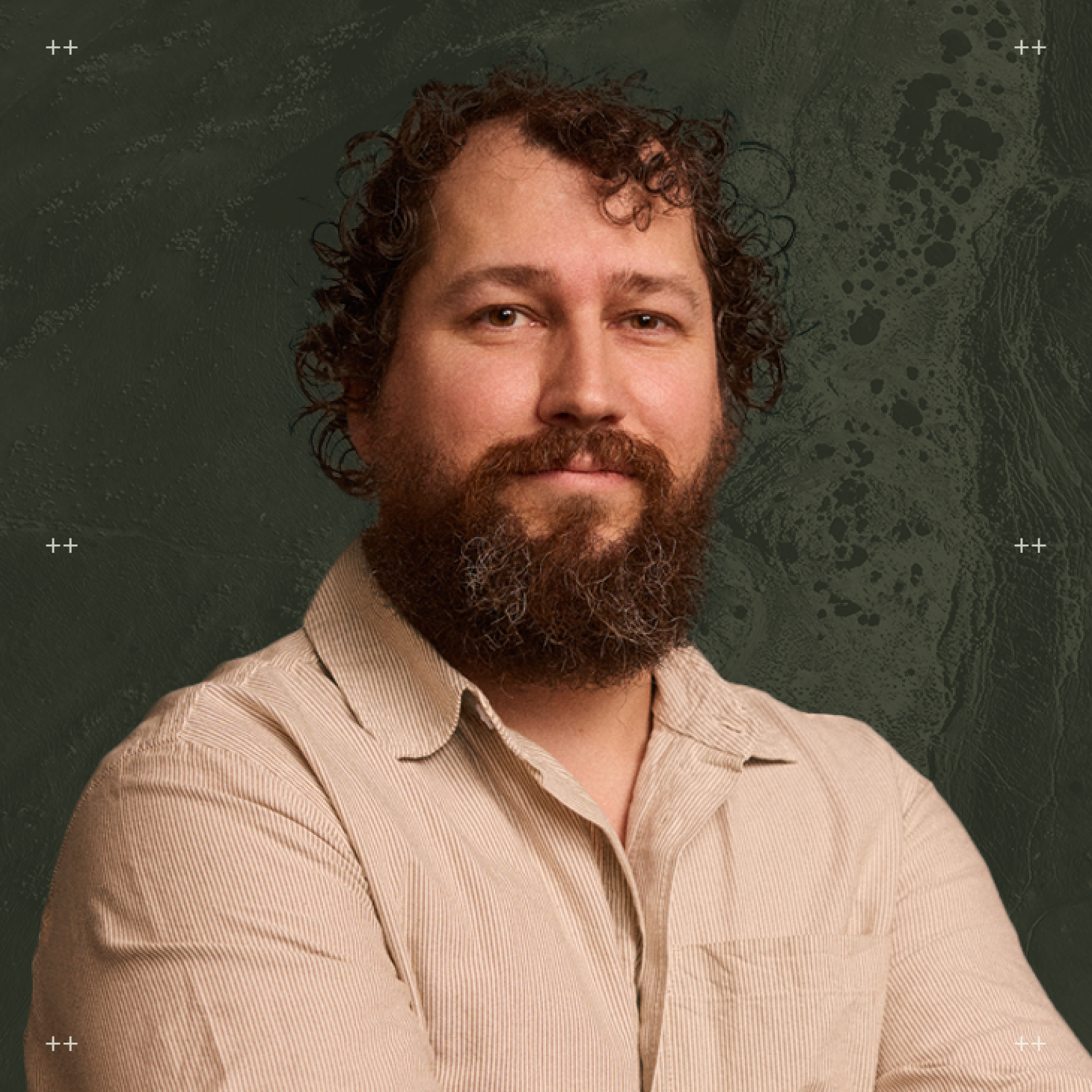
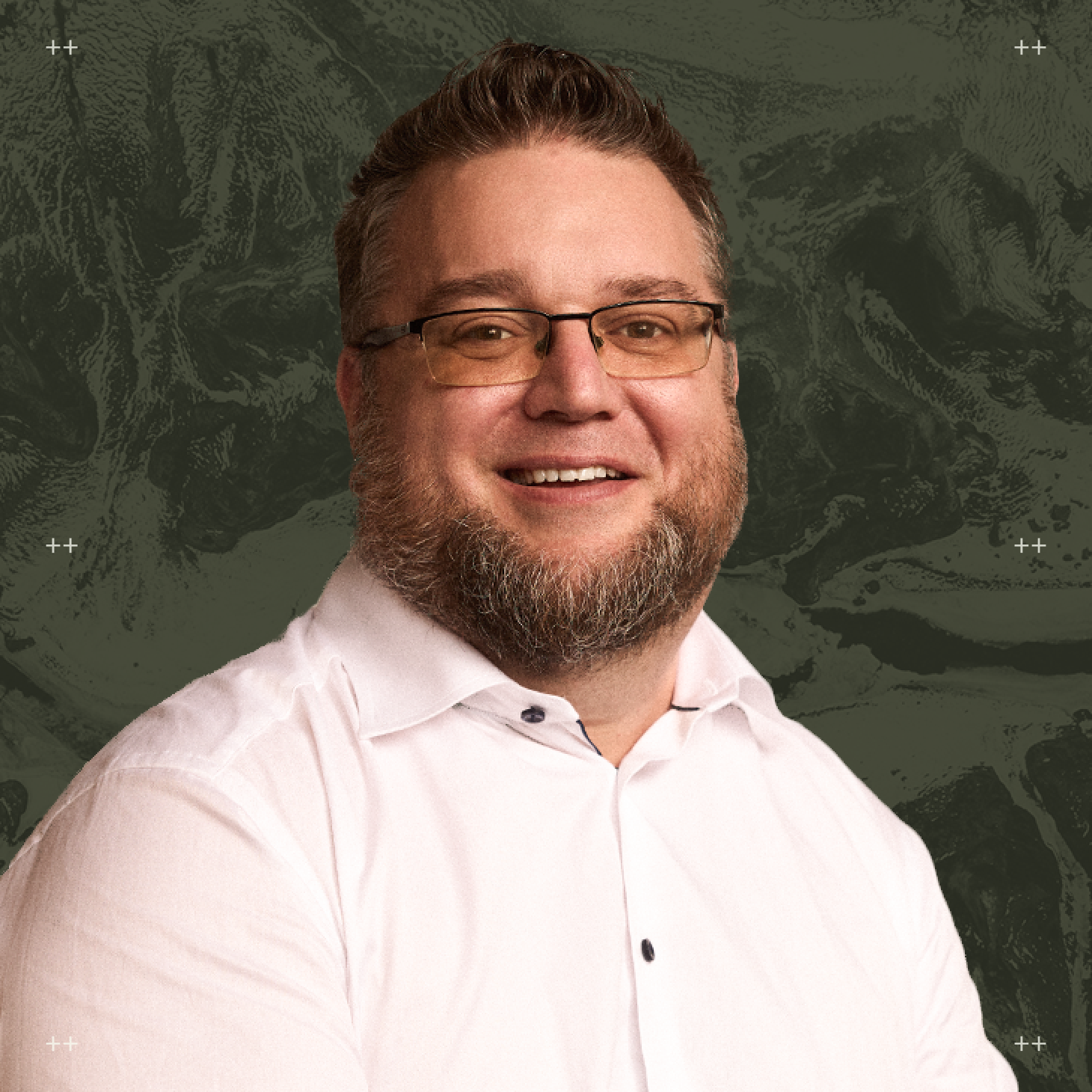
“Austria is often overlooked as a modern mineral exploration jurisdiction, but it has a long and well-documented mining history that dates back to the Bronze Age,” notes Ryan Finlay, CEO of Ekometall, a copper and critical minerals exploration company leading the systematic exploration and development of essential base and precious metals resources across Austria.
For Ryan, the opportunity came into focus in 2023, driven by a compelling disconnect: there are thousands of historical, past-producing mines and exploratory excavations across the Austrian Alps, and yet limited modern, regional exploration has taken place since the 1940s. For Ekometall, it is a rare chance to revisit a proven mining landscape with modern tools and a new regional perspective.
In our conversation with Ryan, he shares what first drew him to the potential in Austria, how experienced advisors like Lamont Leatherman have shaped the company’s regional approach and early strategic decisions, and how DORA is helping transform vast historical records into prospectivity insights that are guiding discovery within the company’s extensive land package — an area that is approaching 10,000 square kilometres.
5 QUESTIONS WITH AN EXPLORATION LEADER
1. What first drew you to the mineral potential in Austria, a country not typically known for exploration?
Ryan Finlay: Austria was first brought onto my radar in 2023. While it’s often overlooked as a modern mineral exploration jurisdiction, particularly compared to neighbouring countries, it has a long and well-documented mining history that dates back to the Bronze Age. Across the Alps, there are thousands of historical, past-producing mines and exploratory excavations along with many alpine towns that were originally built to support mining activity. That legacy still exists today and is compelling from a geological perspective.
Despite this history, what stood out most to me is the lack of modern, regional exploration across Austria’s geological setting on the western extent of the Tethyan metallogenic belts. This gap creates a clear opportunity for systematic, modern exploration, especially given how limited activity has been since World War II. Although Austria is not widely viewed as a mining jurisdiction, it has a well-established regulatory framework, active production of commodities such as tungsten and iron ore, and strong academic programs in mining engineering and geology.
Improving sentiment in Europe around responsible mineral development has created the right conditions to apply a regional mineral systems approach at scale, enabling us to significantly expand our land package and advance exploration through a permitting process that has been conducive to progress.
2. You have brought in well-known geologists, including Lamont Leatherman, as advisors. How did you pitch Lamont on Austria and how has working alongside him and the team shaped the way you evaluate Austria’s potential and make early strategic decisions?
RF: When I first came across this opportunity, Lamont Leatherman was the first person I approached. I had worked with him before and his 30-plus years of experience across different commodities, deposit styles, and geological environments made him a perfect fit for an early-stage opportunity across an entire jurisdiction.
Lamont has played a pivotal role in shaping our approach and strategy in Austria from the earliest days. Together with the Austrian technical team we assembled, we generated drill targets on one of the legacy license areas from the original 300-square-kilometre package, which was an important step in demonstrating our ability to permit and execute drilling in Austria. In parallel, Lamont worked closely with our Austrian geologists to develop a large-scale desktop study that supported our broader license acquisition strategy, helping scale our land package from 300 square kilometres to just under 10,000 by targeting Austria’s most prominent historical mining and metallogenic districts.
What’s been most exciting is the combination of Lamont’s global experience with our in-country expertise and on-the-ground understanding of Austria’s deposits, regulatory environment, and culture. We have assembled a strong technical team, including Thomas Unterweissacher and Jennifer Epstein, and that mix has made us extremely effective in working with local communities and approaching these projects transparently and with an environmentally responsible approach.
3. With such a large land package across Austria, what was appealing about partnering with VRIFY? You’ve now been through data compilation, data augmentation, and first results, how do you plan on leveraging DORA moving forward?
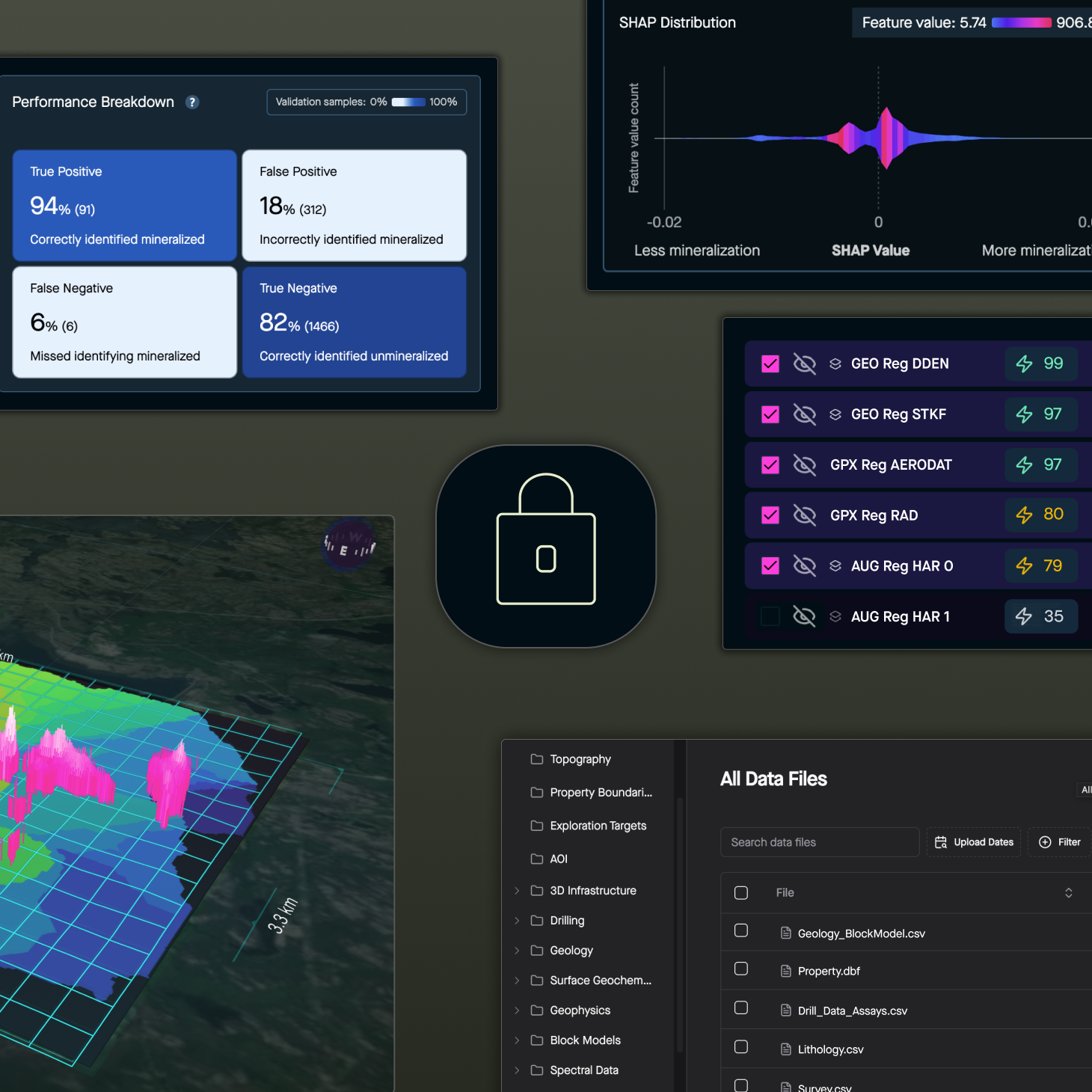
RF: As our land position expanded, the scale of the data that came with that land package became immediately apparent. Managing, processing, and interpreting that volume of information efficiently is critical when you are operating at country scale. VRIFY immediately stood out because of the software’s ability to not only compile and process large, complex datasets, but also convert them into practical prospectivity insights, which is quite rare in this industry.
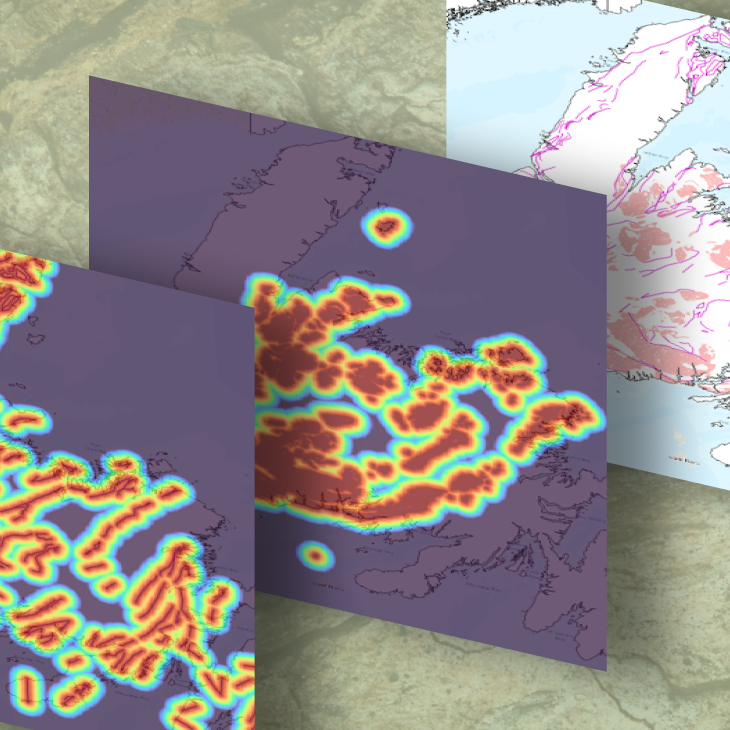
Our experience to date has been very positive. The technical team has done an excellent job sourcing and digitizing historic datasets in ways I did not think was possible. The data augmentation process has been fascinating, and taking this massive data stack and producing something useful from it, including prospectivity maps, has been extremely valuable for our exploration planning. Working with VRIFY and DORA has also come at an excellent time while we have been undergoing license acquisition, so being able to immediately glean insights from the software has already been incredibly helpful. Moving forward, we are continuing a data scraping campaign to take the historical literature that exists and make it usable with DORA so we can go from paper records to tangible learning points that can guide more targeted exploration work.
4. How did gaining access to modern datasets through DORA help validate, or even challenge, your approach to exploration, staking, and mapping ground in Austria?
RF: The breadth of the data associated with a land package of this size made it clear that access to modern datasets, and the ability to process them properly, is critical to operating at our scale. DORA and the VRIFY team have enabled us to take large, complex datasets, including a huge amount of historical literature, and convert them into practical prospectivity insights that helps us prioritize targets more effectively across our large portfolio.
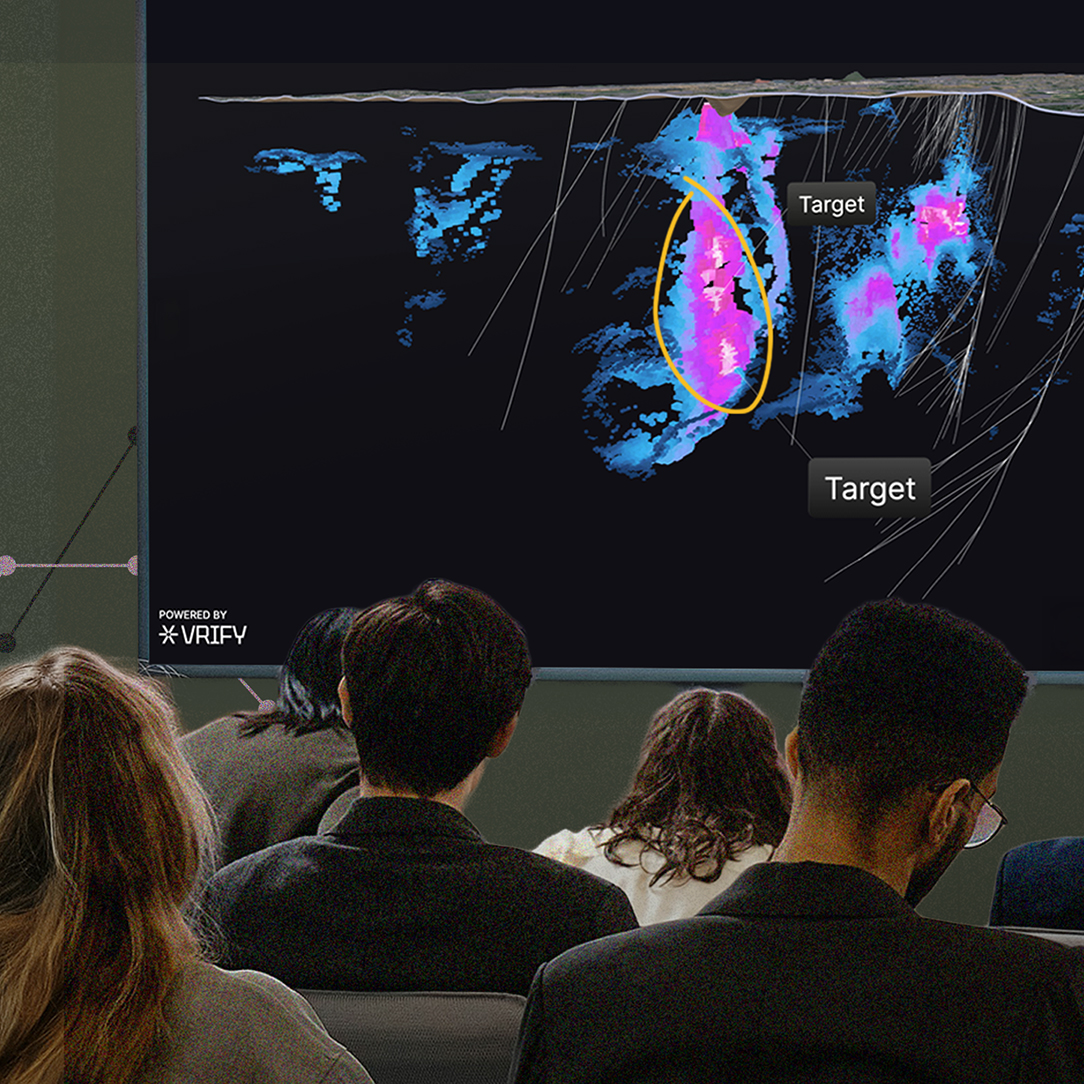
We are running a stepwise data scraping process where documents are translated, metadata is scraped, and the information is fed into an AI model that learns from it. That allows us to represent data that is buried within these reports and use it to interpret what currently exists. Even if we just look at one of our license blocks, the amount of information has been staggering, with tens of thousands of pages of reports collected already, and more continuing to come in. Being able to digitize, augment, and actually extract usable insights from that volume of information has been extremely useful for our exploration planning, particularly as we have been acquiring licenses.
5. Ekometall is still in the very early stages, but is moving quickly. What are the key milestones you’re most focused on achieving in the next year as you advance your exploration programs in Austria?
RF: 2026 will be a defining year for us. 2025 was about building a solid foundation by securing the ground we scoped, assembling a strong technical team in Austria, forming our partnership with VRIFY, and demonstrating our ability to permit and execute drilling while engaging local communities and stakeholders.
Looking ahead, our main priority over the coming months is comprehensive data compilation, including digitizing and processing thousands of historical reports, mine records, and academic studies covering roughly 1,500 past-producing mines and workings within our license areas. The goal is to create a structured dataset and develop an initial inventory of known deposits to help delineate project areas, define the scale of opportunities, and support prioritization.
The second milestone is generating new data in the field. With a land package this large, we can fly airborne geophysics and identify large-scale anomalies beyond historically mined areas where activity was largely near-surface and down to around 250 to 300 metres. Combining this with targeted spring fieldwork and continued integration with DORA will be central as we work toward a meaningful discovery in Austria.
<hr />
Ryan’s insights underscore the scale of the opportunity in Austria and how a disciplined, modern approach is required to explore it effectively. By combining global experience with strong in-country expertise, and pairing modern exploration thinking with deep historical context, Ekometall is building a foundation designed for long-term discovery in a jurisdiction that has been underexplored for decades.
As Ekometall focuses on comprehensive data compilation through the winter and prepares to generate new field data, the path forward is clear and defined by three key steps: structured information, disciplined prioritization, and steady execution.
"The expertise and the energy that exists within the VRIFY team has been remarkable, and it became immediately apparent as soon we began working together. The partnership between Ekometall and VRIFY is an excellent match, combining in-country and project-specific expertise with advanced geoscience thinking and AI capability."
Ryan Finlay, CEO of Ekometall Exploration
<hr />
To see how DORA can support mineral exploration strategy no matter the size of the project or asset, book a demo.
.png)
.png)
.png)

.jpg)
.png)