.png)
Stanislawa Hickey, M.Sc., P.Geo, brings nearly 20 years of experience as a geophysicist in the mineral exploration industry to her role as Senior Manager Predict, Geophysics at VRIFY. Her work has spanned consulting and software development, with a focus on geophysical data modelling and integrated interpretation in support of exploration programs across a range of commodities and deposit styles. She has also contributed to the development of geophysical processing and modelling tools, helping advance technological capabilities within the exploration industry.
She began her career as a field geophysicist working in remote regions across Canada, including in Nunavik conducting ground electromagnetic surveys, in central British Columbia where her focus was induced polarization surveys, and in northern Saskatchewan where she supported marine seismic surveys. This field experience provided her direct exposure to the practical challenges of geophysical data acquisition, including how noise and data quality issues originate in the field.
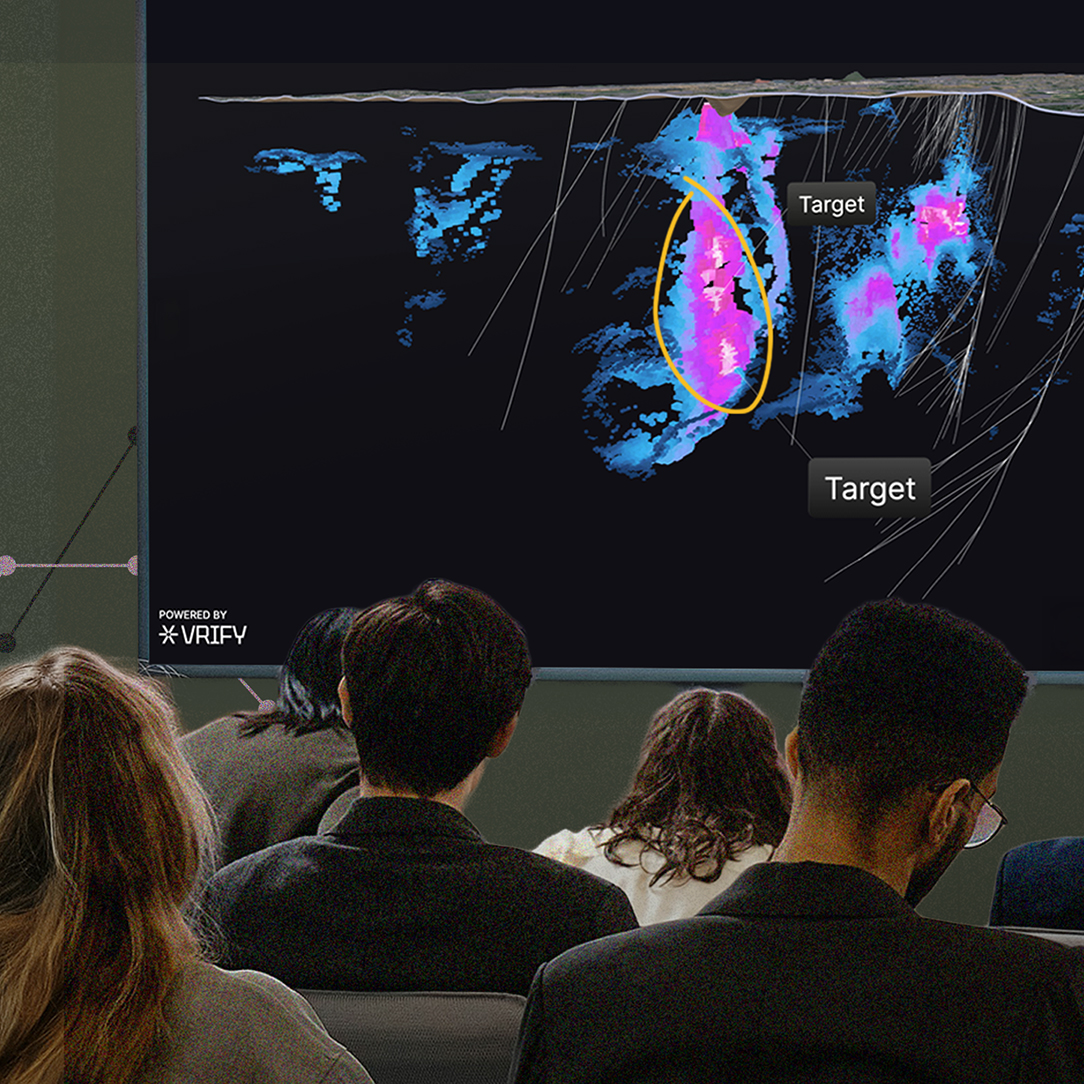
At VRIFY, Stanislawa leads a team of geophysicists where she draws on her background to develop robust processes that extract maximum value from geophysical datasets. Her work focuses on ensuring that diverse — and often complex — geophysical data is appropriately processed, enhanced, and formatted so it can be effectively used within AI prospectivity mapping software DORA, part of the VRIFY Predict product suite.
In this conversation, Stanislawa shares how data limitations and preparation influence the use of AI in mineral exploration, and what exploration software must enable to better support exploration decisions.
1. What motivated you to move from geoscience consulting to a tech company building AI software for the mining and exploration industry?
Stanislawa Hickey: When I joined the VRIFY AI Geoscience Team in 2024, I saw it as a natural next step in my career and an opportunity to leverage emerging AI technologies to advance mineral exploration. I’ve always been interested in how new tools can improve the way we extract value from geoscience data, and AI represents a major step in that evolution.
2. Where do you most often see friction between the data that exists and the decisions that need to be made?
SH: From my experience, the most common source of friction comes from the inherent limitations of the available data relative to the exploration questions being asked. Factors such as data coverage, resolution, and acquisition methods are not always aligned with the geological target or the scale of decision-making required.
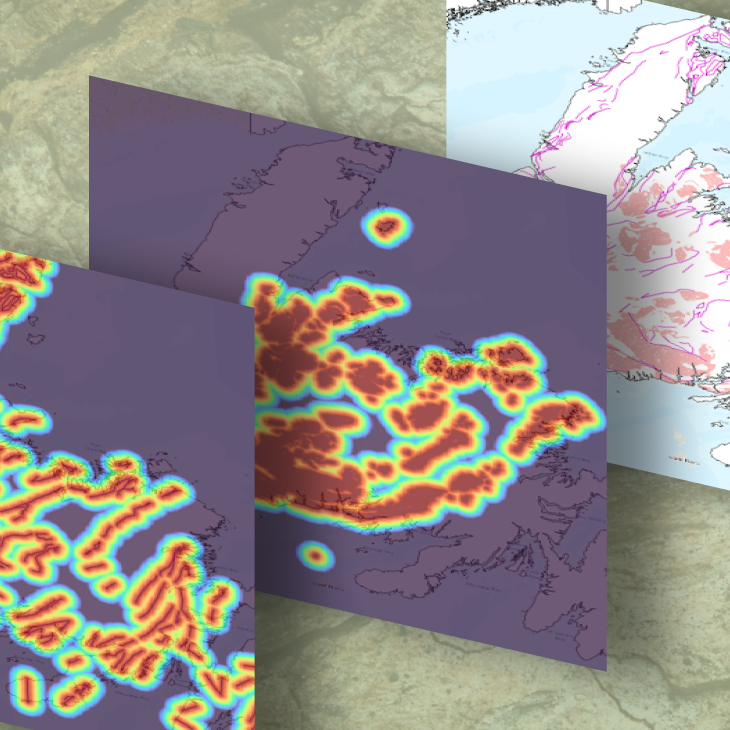
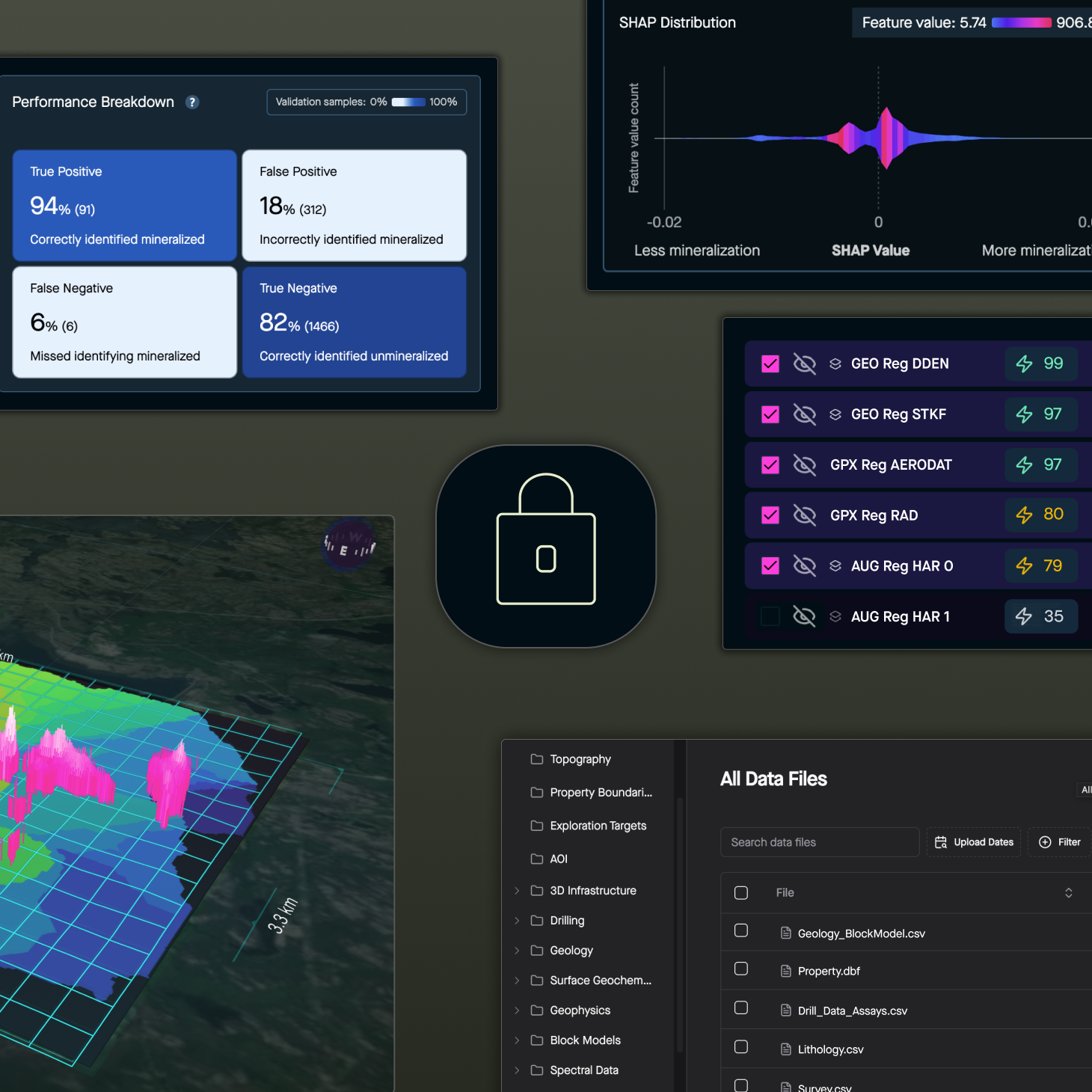
Whether clients are running AI-assisted prospectivity analyses or using more traditional data integration and interpretation workflows, the quality and suitability of the input data ultimately constrain the outcomes. This is a central consideration in DORA, where understanding how data choices influence results is as important as the results themselves.
3. In your view, where does AI-driven analysis genuinely add value in mining and mineral exploration, and where is it often overstated?
SH: AI-driven analysis adds the most value when it is used as part of the geoscientist’s toolkit to help extract maximum insight from complex and often incomplete datasets, as is the case with DORA. It can be a powerful tool for testing exploration hypotheses through AI-assisted prospectivity mapping, as well as for applying data augmentation and enhancement techniques that support interpretation through pattern recognition.
AI is often overstated when it is treated as a standalone solution rather than a tool guided by human expertise.
4. Looking ahead, what do you expect exploration software to enable that isn’t practical today?
SH: I expect exploration software to significantly improve how the industry works with large volumes of complex, multidisciplinary datasets. This includes fully integrated data-hosting platforms, greater automation in data processing and preparation, and more rapid inversion of large, high-resolution airborne geophysical surveys, which is still time-consuming and resource-intensive today.
While some elements of this already exist, significant progress is still needed. The industry would benefit from more standardized approaches to data ingestion, storage, and organization so companies can reliably extract the full value of their data.
5. How has working with AI changed the way you approach your own discipline?
SH: Working with AI has challenged me to rethink some established approaches to geophysical data processing and to bridge conventional tools with machine-learning methods. Because the application of AI to mineral exploration is still relatively new, our team has had to be very deliberate in defining best practices for data ingestion, processing, and enhancement to ensure clean and meaningful inputs for machine-learning processes.
Overall, working with AI has reinforced the importance of rigorous data preparation while encouraging more structured, scalable, and forward-looking workflows.
<hr />
Stanislawa’s perspective reflects a broader shift underway in mineral exploration, where advanced analytics and AI are most effective when grounded in strong geoscience and well-prepared data. Rather than replacing expert judgement, these tools depend on it to translate complex datasets into reliable exploration insight.
<hr />
To learn how VRIFY applies AI-assisted analysis to support data-driven exploration decisions, explore DORA or connect with our Geoscience Team.
.png)
.png)
.png)

.jpg)