
Project Overview
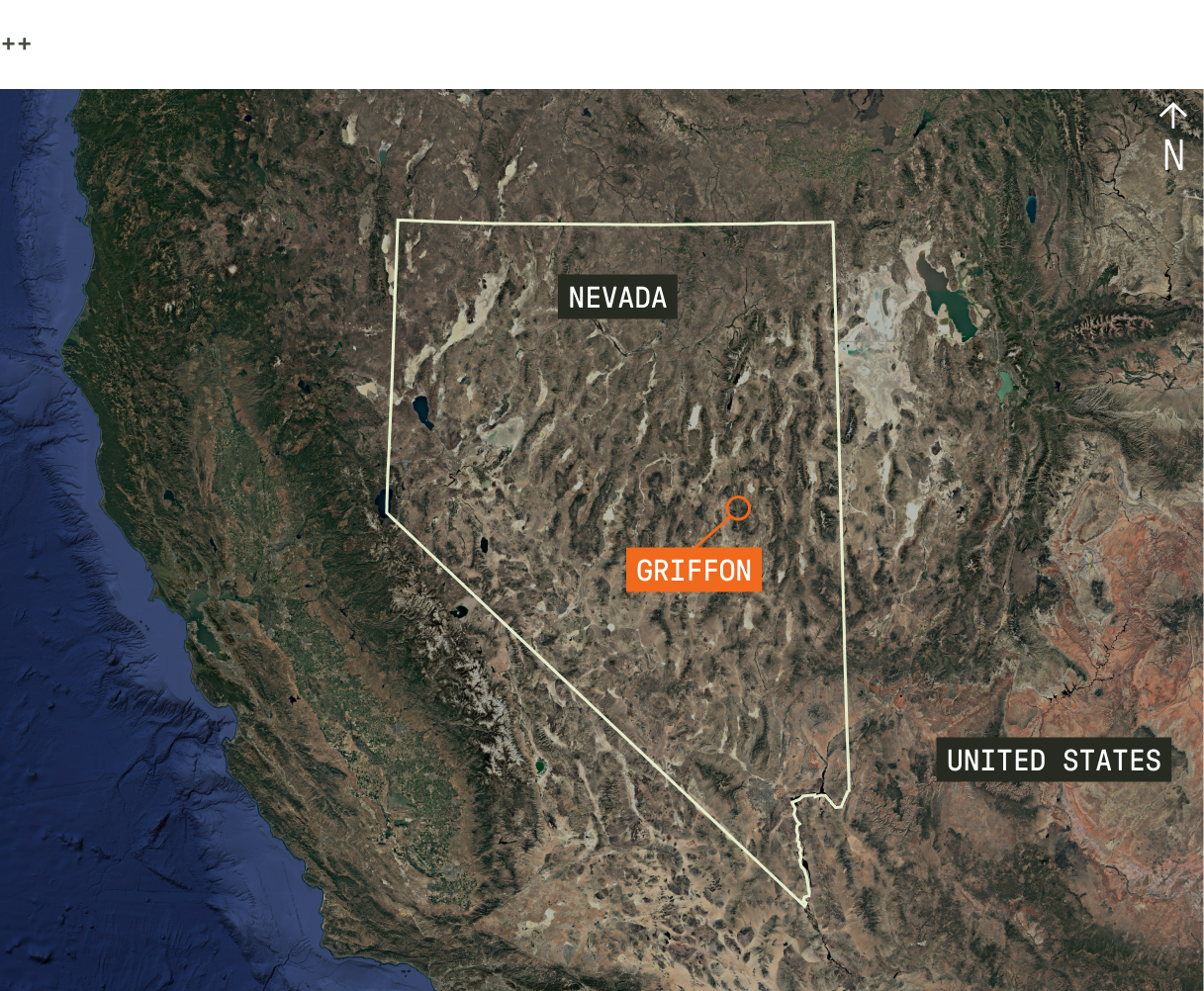
Griffon is a past-producing gold project held by Nevada Sunrise Metals Corp. in White Pine County, Nevada, located along the southern extension of the Battle Mountain-Eureka Gold Trend, one of Nevada’s major gold-producing regions.
Historical mining at Discovery Ridge and Hammer Ridge defined the project’s early focus, but exploration activity remained limited for many years after production from these two deposits ended in 1999. As a result, much of the broader property had not been systematically evaluated with modern exploration tools.
Griffon’s local geology points to additional exploration potential outside the historically mined areas. Mineralization is hosted in the Pilot Shale, Chainman Shale, and Joana Limestone, which are sedimentary units that form part of a favourable regional host-rock sequence for gold. Additional host levels within this stratigraphic package remain underexplored, while widespread jasperoid development and decalcification around mineralized zones suggest that the known system may not be fully defined.
This use case highlights how Nevada Sunrise applied DORA, VRIFY’s AI prospectivity mapping software, to reassess broader exploration potential at Griffon and support a more systematic approach to target generation.
The Why
Nevada Sunrise had inherited a substantial historical dataset at Griffon, built from decades of previous exploration and mining activity. The information was valuable, but it had not been organized in a way that could support a consistent, property-scale analysis of target potential away from the previously mined areas. In a structurally complex setting shaped by folds and multiple fault styles, this lack of integration made it harder to interpret mineralization extension.
A wider perspective is valuable in any targeting exercise, but it was especially important at Griffon because surface disturbance requirements dictated how drilling could advance. Adding or relocating drill pads could involve a lengthy review process, which made it essential to be more selective before drill planning progressed.
Modern geochemical and geophysical surveys could provide this intermediate step. By collecting new field evidence over high-potential areas, Nevada Sunrise could sharpen its target model before drill planning and better understand how future holes might be oriented from available pads.
In this context, DORA was applied to analyze Griffon’s historical record through a systematic prospectivity modelling workflow, surfacing high-potential areas across the property and guiding the field surveys needed to refine future drill targets.
The Process
The VRIFY team worked with Nevada Sunrise to standardize and unify Griffon’s historical exploration data into a cleaner, more consistent data stack for modelling. The primary inputs spanned surface geology, geochemistry, geophysics, and drill data.
The data stack was broadened to improve coverage with project-level and public-domain information on regional geology, fault patterns, remote-sensing signatures, and elevation.
DORA’s Data Augmentation Modules were then used to generate additional layers from the inputs. These derivatives, ranging from lineaments and fault disturbance to strike fields and geochemistry grids, added spatial and geological context to the data stack and supported a more comprehensive interpretation of property-wide patterns.
Prospectivity modelling was subsequently carried out using the Foundation Models designed for Carlin and epithermal gold deposits to evaluate gold-bearing patterns across Griffon and identify high-potential areas for exploration.
The Outcome
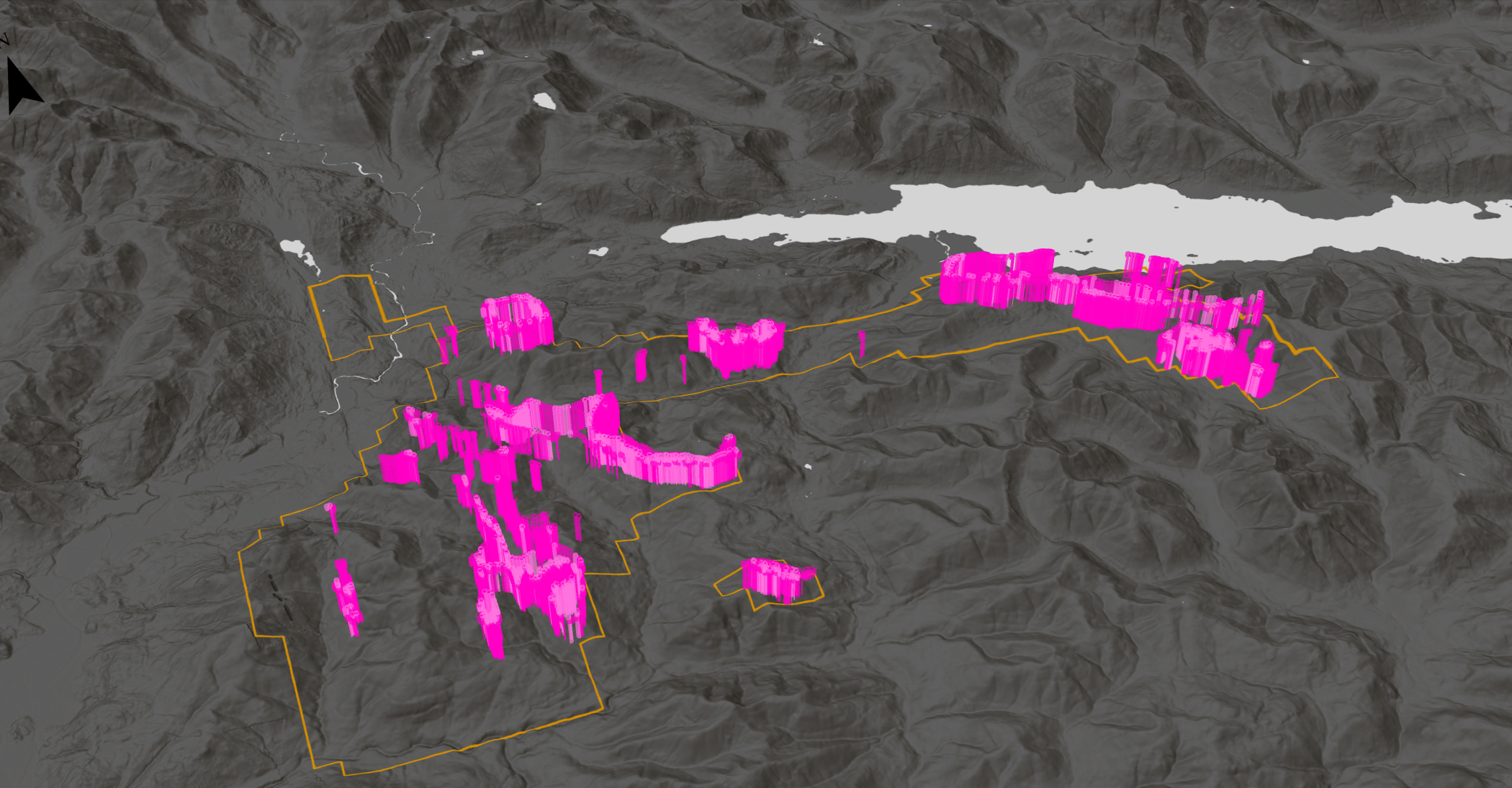
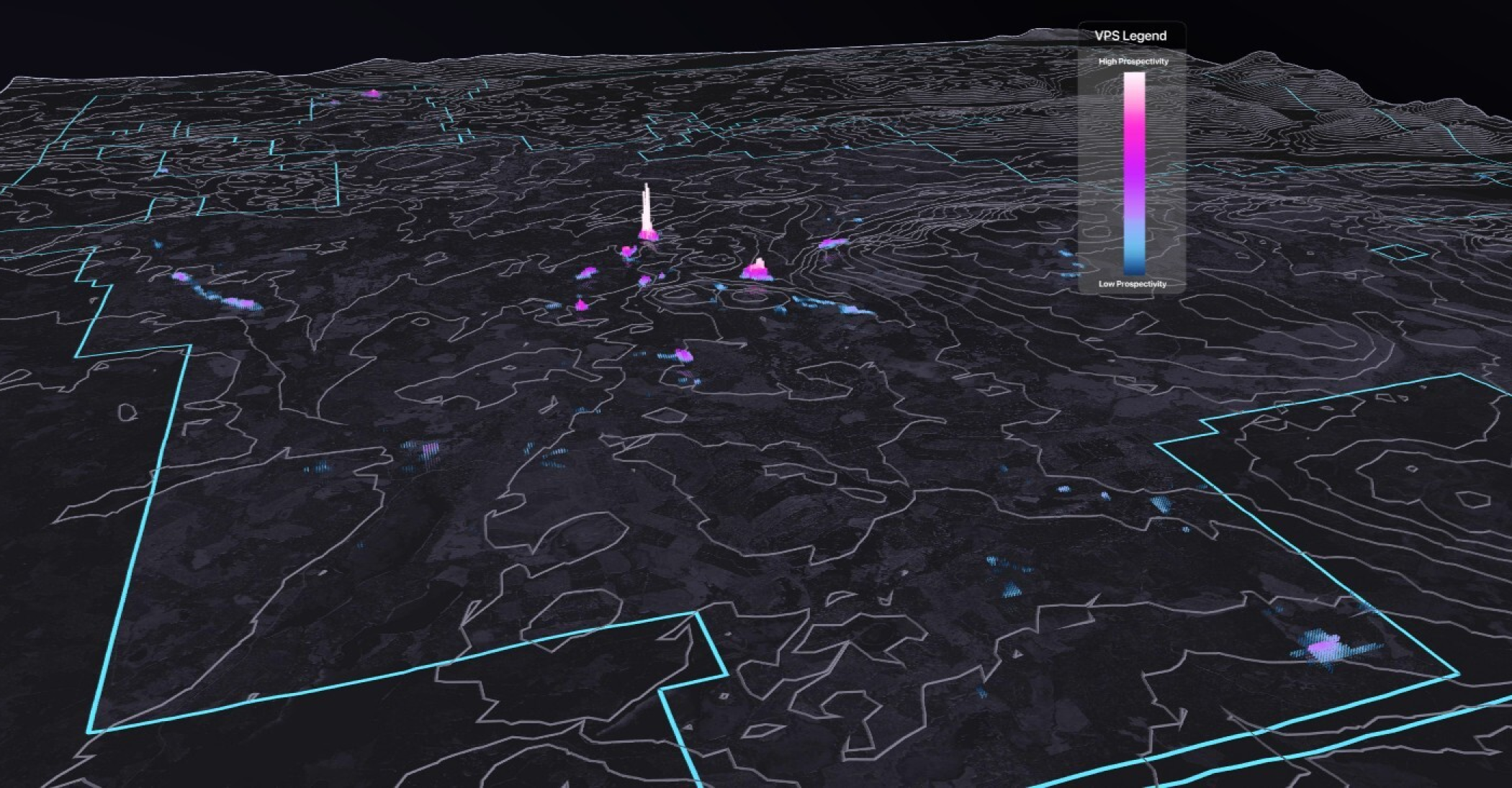
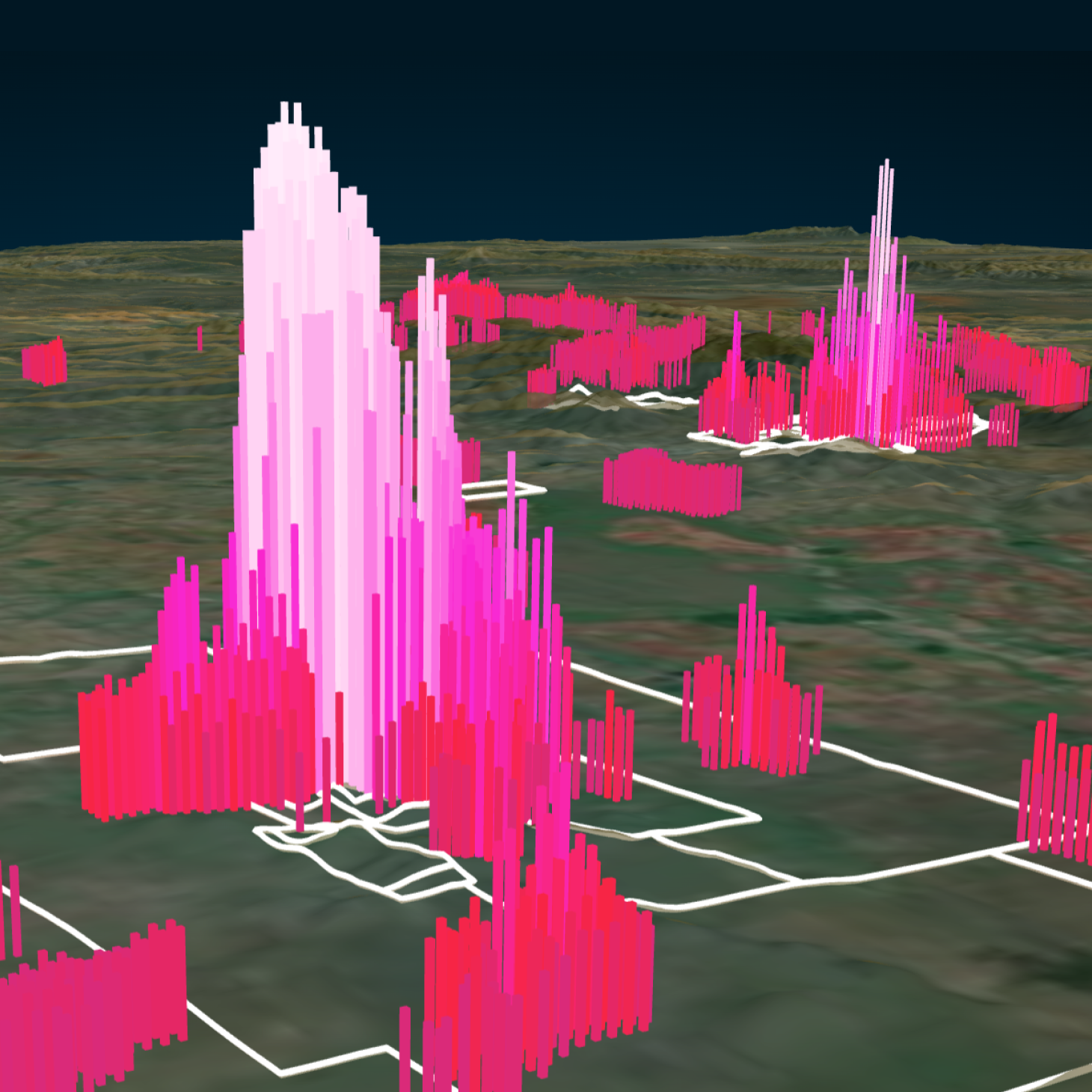
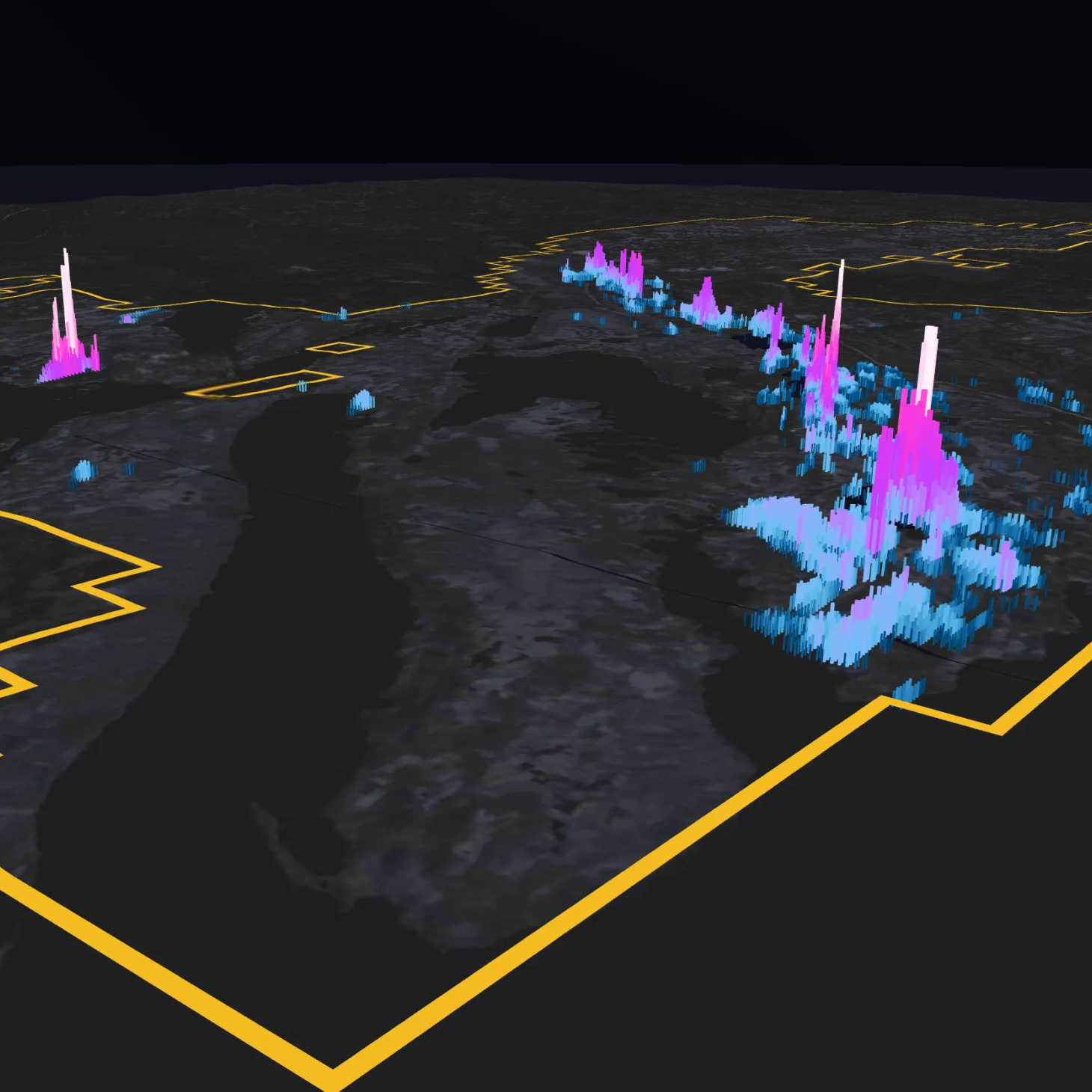
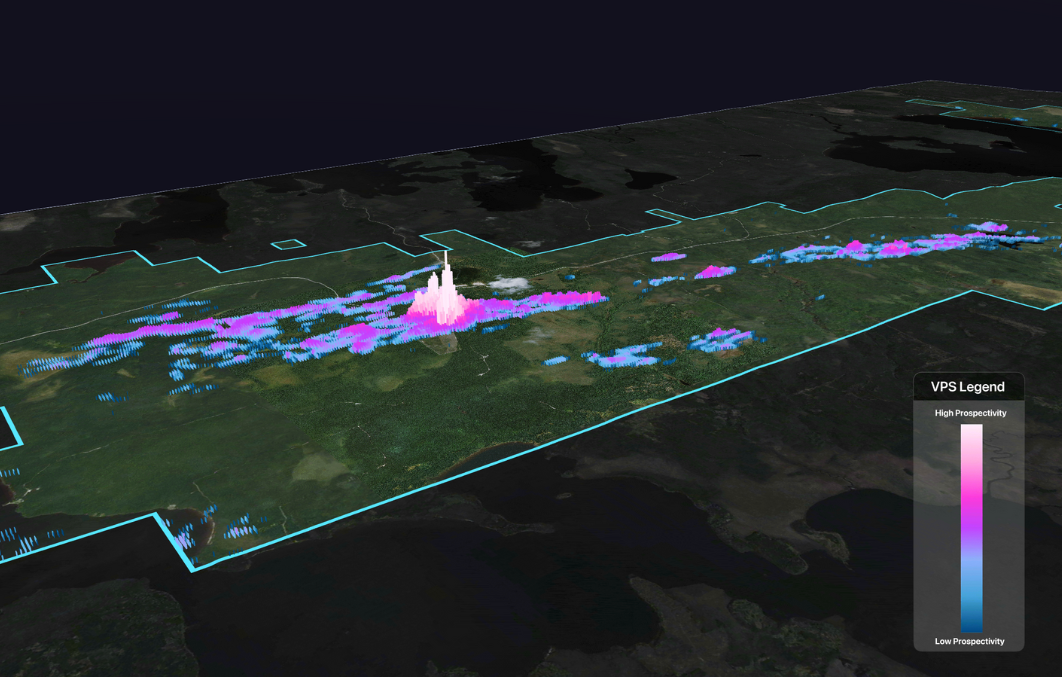
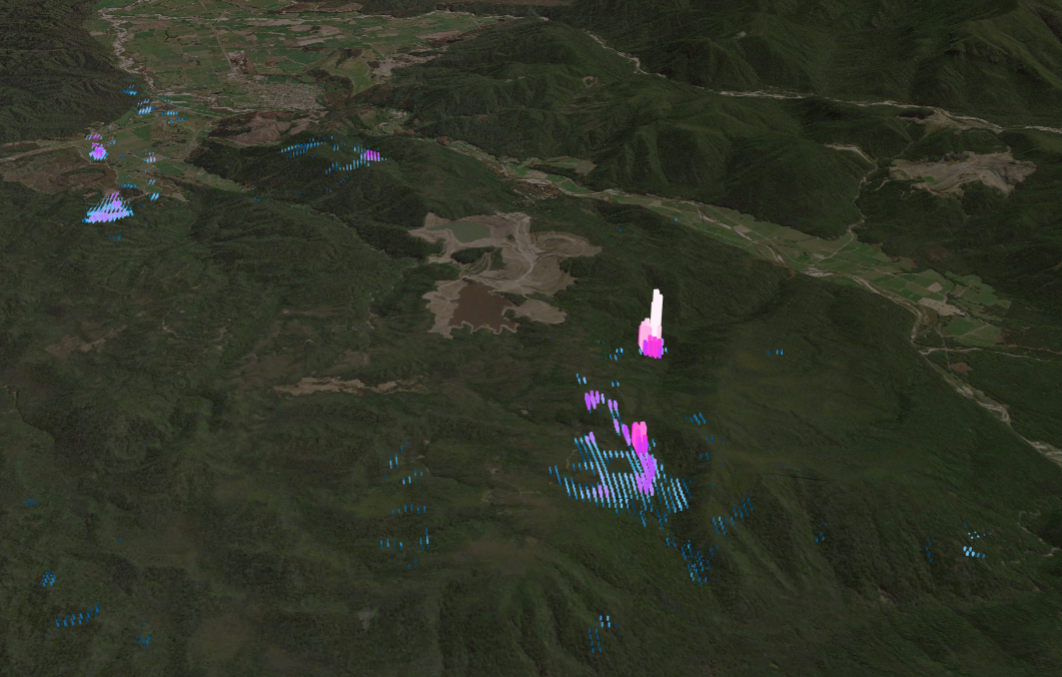
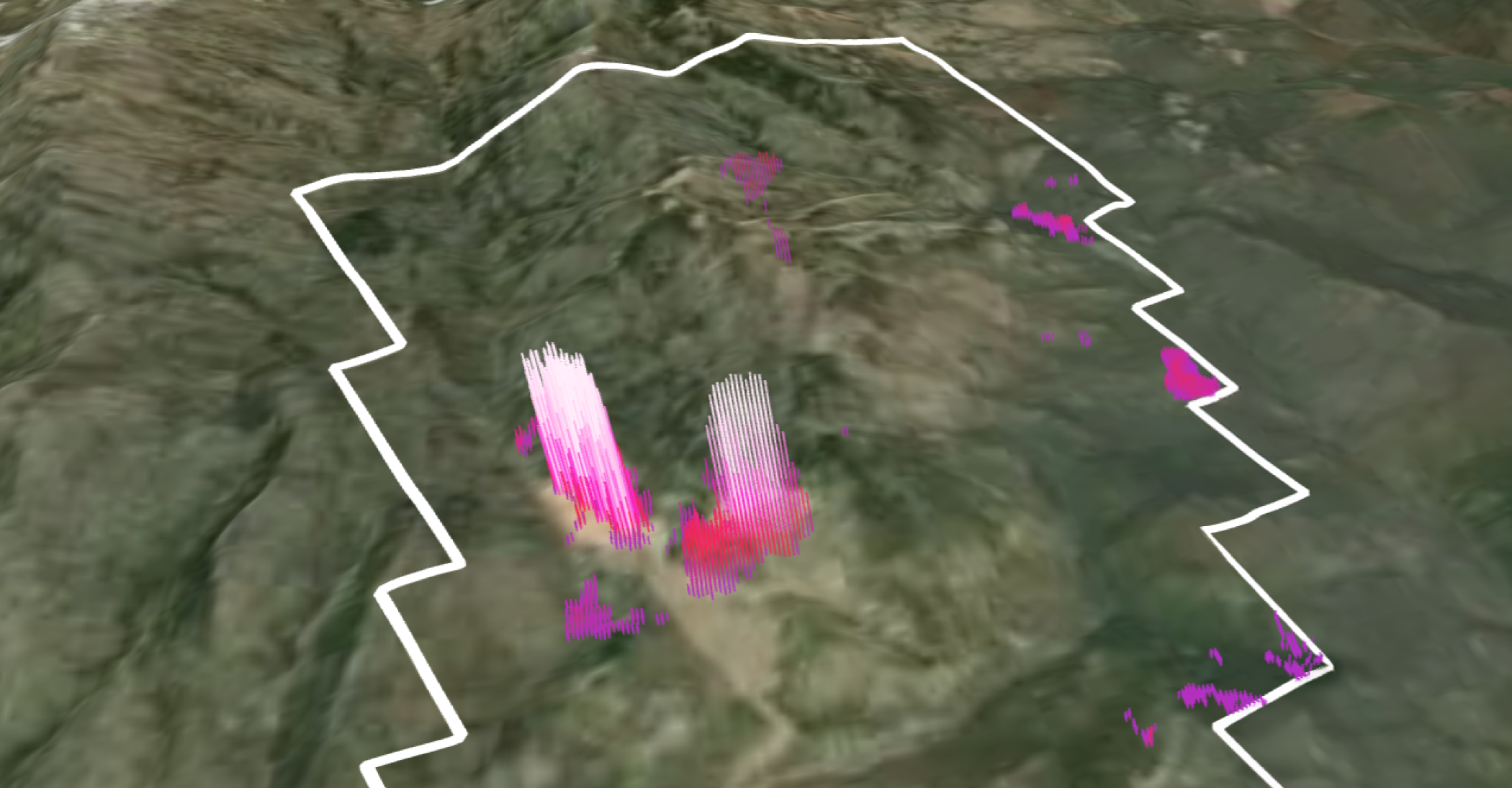
The prospectivity map, a key output of DORA, offered a broad view of gold potential at the land position, with the VRIFY Prospectivity Score expressing the relative probability of mineralization.
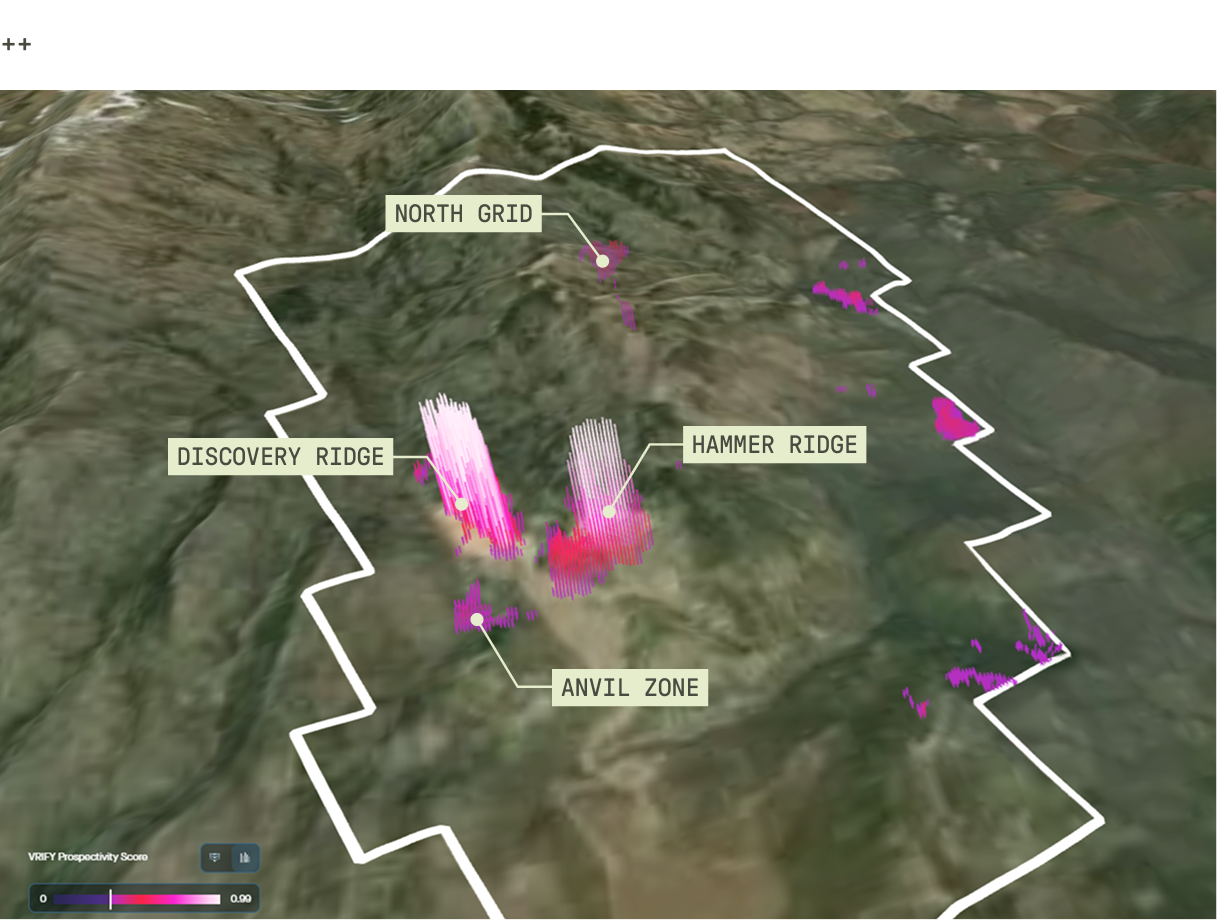
The results highlighted targets around the known Discovery Ridge and Hammer Ridge mineralized footprint, aligning with the project’s historical focus. This included the Anvil Zone, a southwest extension of gold mineralization at Hammer Ridge that had been identified by earlier drilling but left unmined. The modelling also drew attention to a northern target, later surveyed as the North Grid, expanding Nevada Sunrise’s field of review from its original priority areas.
Subsequently, Nevada Sunrise designed its fall 2025 field program around the DORA-generated targets, with Ionic Leach soil sampling, 3D induced polarization and electrical resistivity, audio magnetotellurics, and high-resolution ground magnetic surveys forming the core of the work.
In particular, the soil survey returned some of its strongest gold-in-soil values at the Anvil Zone, ranging from 13.6 to 59.6 ppb gold. Because Anvil provided a known mineralized reference point, these measurements helped confirm the survey method’s ability to detect a gold-in-soil response at Griffon. At the North Grid, gold-in-soil values reached up to 4.9 ppb, providing first-pass geochemical coverage over the northern target. Carlin-type pathfinder elements associated with gold values were also identified, including arsenic, antimony, mercury, and thallium. These findings added geochemical vectors for interpreting where mineralization may continue within the broader land position.
The new geochemical and geophysical datasets are now being integrated back into DORA to enhance and further refine targets in support of drill planning.
"DORA helped us combine our geological judgment with AI prospectivity modelling to better prioritize where surveys should be focused at Griffon. Rather than just generating targets, DORA gave us a more systematic way to evaluate the property and guide our field programs. This has strengthened our approach for future drilling and ongoing exploration."
Warren W. Stanyer, President, CEO, and Director of Nevada Sunrise Metals Corp.
<hr />
To learn more about DORA and VRIFY’s broader suite of tools for exploration analysis and effective communication with stakeholders, book a demo with our Geoscience Team.